
Blurring the Boundaries: Architectural Strategies for Waterfront and Landscape-Led Living
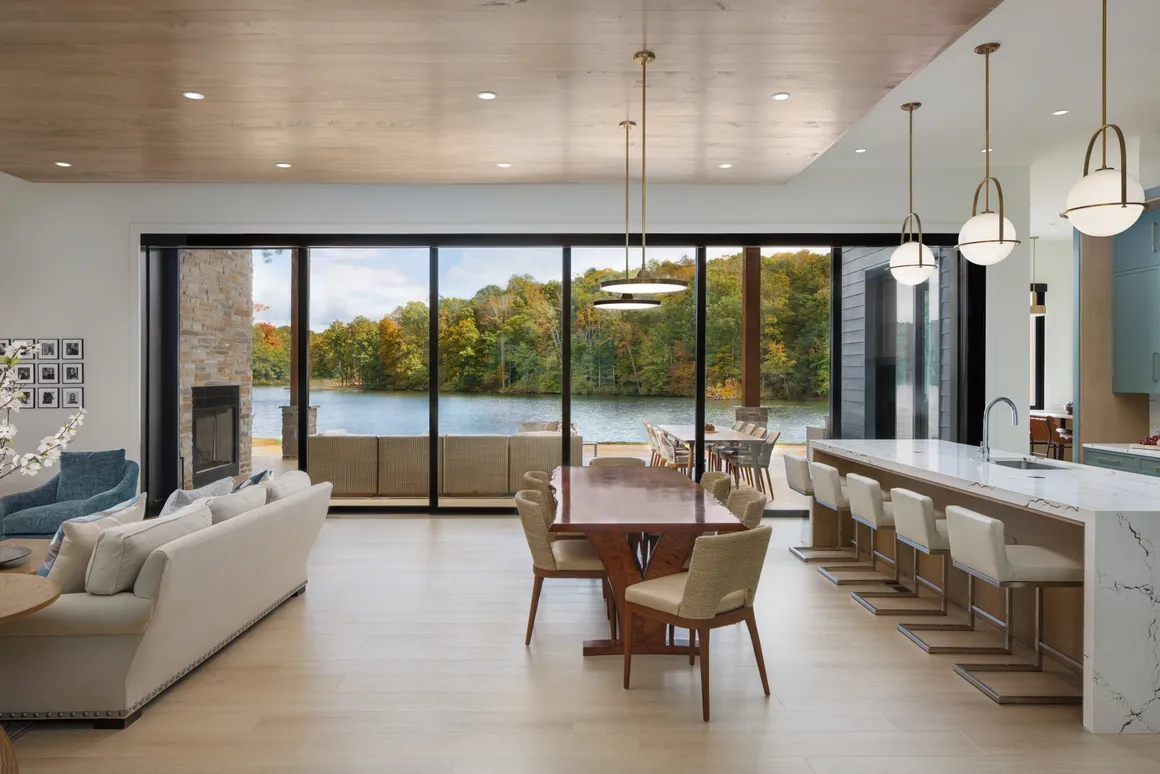
There is a profound difference between a house that simply sits on a piece of land and a house that belongs to it. When I begin a project on a spectacular site—like a lakefront property or a rolling woodland estate—my first sketches are rarely of the house itself. Instead, I sketch the views. I note where the morning sun hits the water and where the prevailing breezes flow.
"Nature is the greatest amenity a home can have. My role as an architect is to frame it, invite it in, and ultimately blur the boundary between the constructed environment and the natural one."
The Window as a Lens
Windows are not just holes in a wall; they are carefully calibrated lenses. I don't believe in simply throwing a wall of glass at a view. An uninterrupted glass expanse can actually dilute the impact of the landscape, making it feel like flat wallpaper.
The Design PrincipleInstead, I use architectural framing—deep mullions, strategic overhangs, and varying window proportions—to curate the view. A narrow, vertical window at the end of a long hallway that perfectly frames a single, ancient oak tree creates a much more powerful emotional response than a generic glass box.
 02
02
The Architecture of Shadow and Overhang
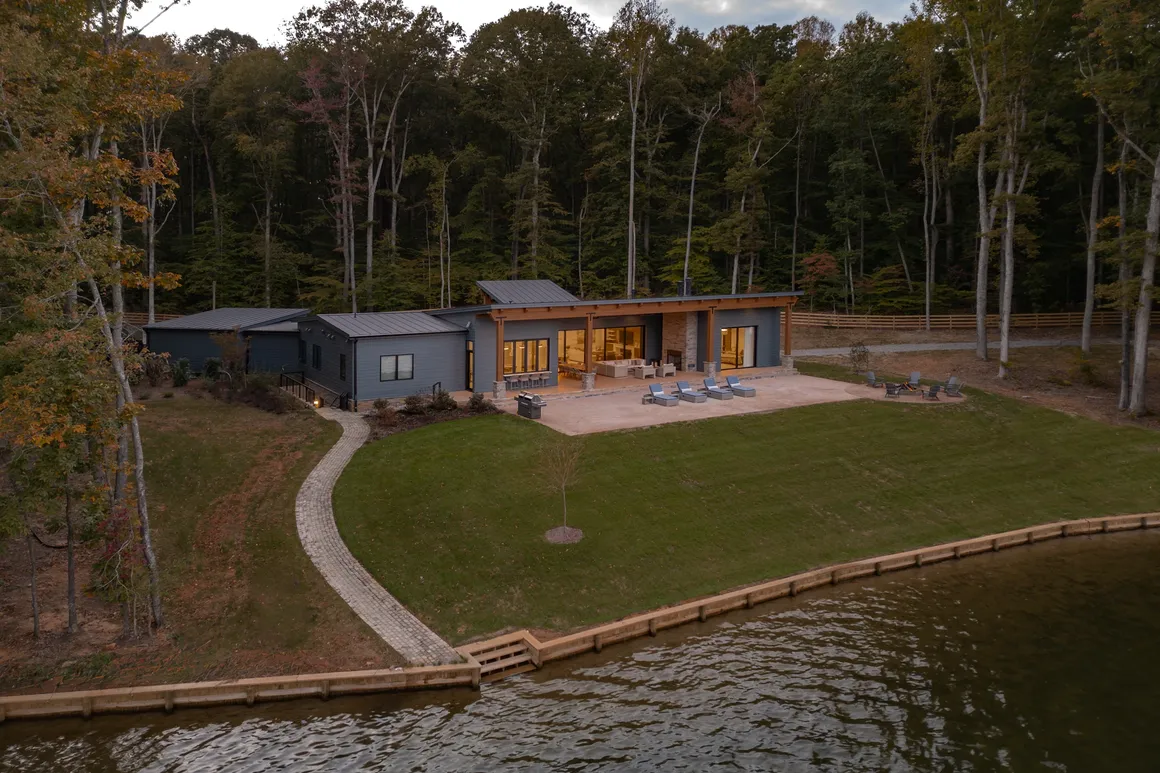
To truly connect the indoors with the outdoors, I design transitional spaces that belong to both. Deep roof overhangs, covered porches, and pergolas create a gradient of shelter.
The Design PrincipleBy pulling the roofline out over a terrace, I create a space where you can sit by the lake during a summer rainstorm without getting wet. This graduation from fully enclosed, to sheltered outdoor, to completely exposed landscape makes the home feel expansive and rooted.
03Bringing the Outside In
Materiality plays a huge role in this transition.
The Design PrincipleIf I use a beautiful, natural stone for the exterior cladding or the outdoor patio, I will often carry that exact same stone right through the threshold and into the interior entryway or sunroom. When the materials of the landscape cross the threshold, the mind stops registering a hard border between "inside" and "outside."
An Act of Humility
Designing for the landscape is an act of humility. It requires me to admit that the most beautiful thing about the home I am designing is the ground it is built upon.