
The Invisible Addition: How to Expand a Historic Home Without Leaving a Trace
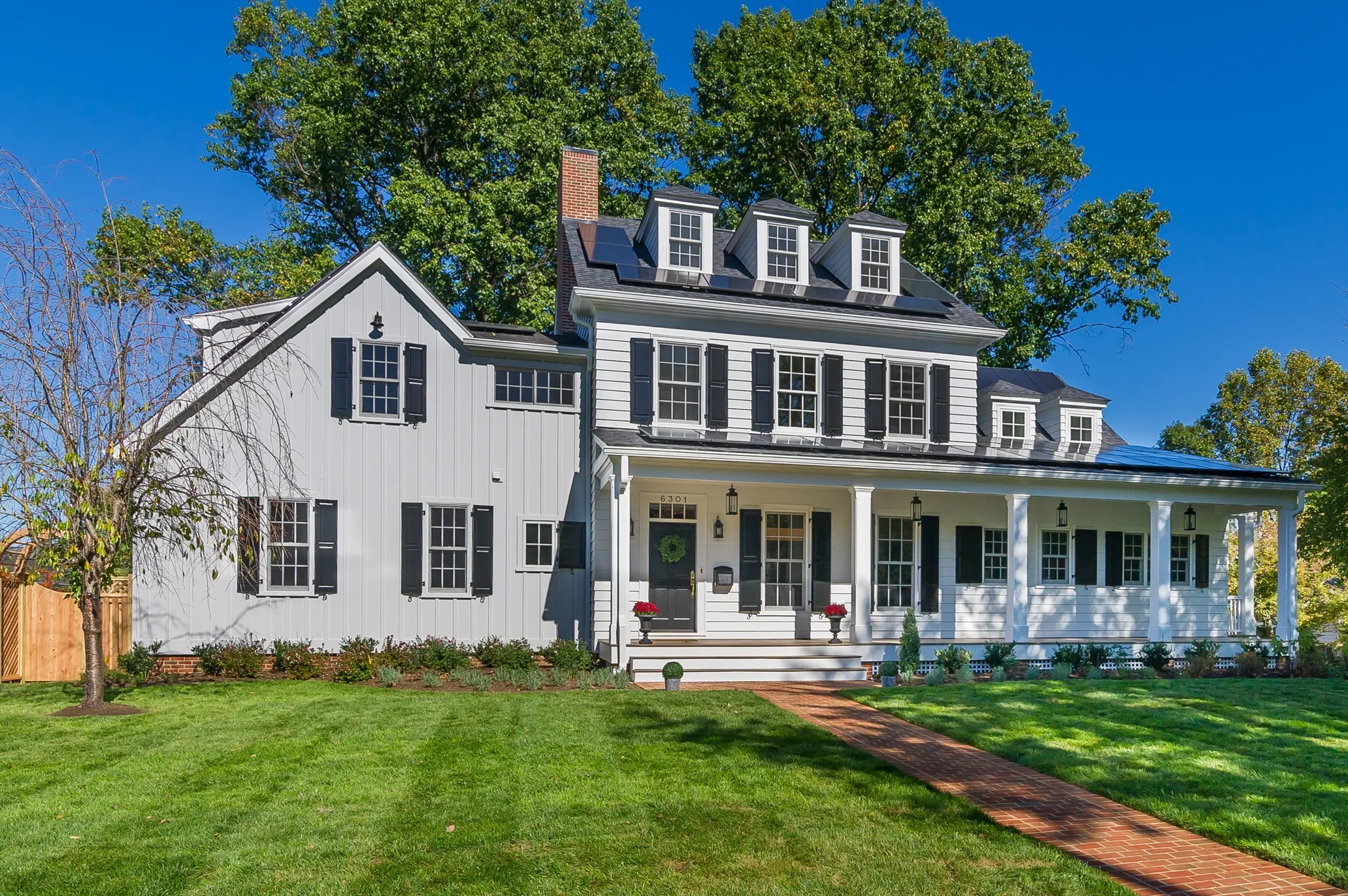
When I walk through a historic home, I listen to it. Every original baseboard, every slight sag in the floor joists, and every uneven pane of original glass has a story to tell. So, when a client asks me to add a modern kitchen or a primary suite to a house that has stood for a century or more, I view my job not as a creator, but as a translator.
The greatest compliment I can receive on a historic addition — like the work I did on an Upperville farmhouse or a Leesburg estate — is that no one can quite tell where the old house ends and the new one begins. I call this the "Invisible Addition."
Achieving this level of integration doesn't happen by accident. It requires a disciplined approach to three architectural pillars: scale, materiality, and hierarchy.
01Respecting the Hierarchy of Mass
The most common mistake I see in historic renovations is the "swallowed house" syndrome — where a massive, modern addition dwarfs the original structure. In traditional architecture, there is always a hierarchy. The original structure, often the main block of the house, must remain the hero.
The Design PrincipleWhen I design an addition, I often step the roofline down and push the new foundation line slightly back from the main facade. This visual deference tells the subconscious mind that the new wing is subservient to the original home.
02The Art of Sourcing and Matching
You cannot trick the eye with modern approximations. If the original home has true divided-light windows with wavy glass, dropping in standard vinyl replacements in the new wing will shatter the illusion immediately.
The Design PrincipleI spend weeks sourcing reclaimed brick, custom-milling trim profiles to match the 19th-century originals exactly, and specifying true lime mortar instead of modern Portland cement. The materials must speak the same language.
 03
03
Transitional Thresholds
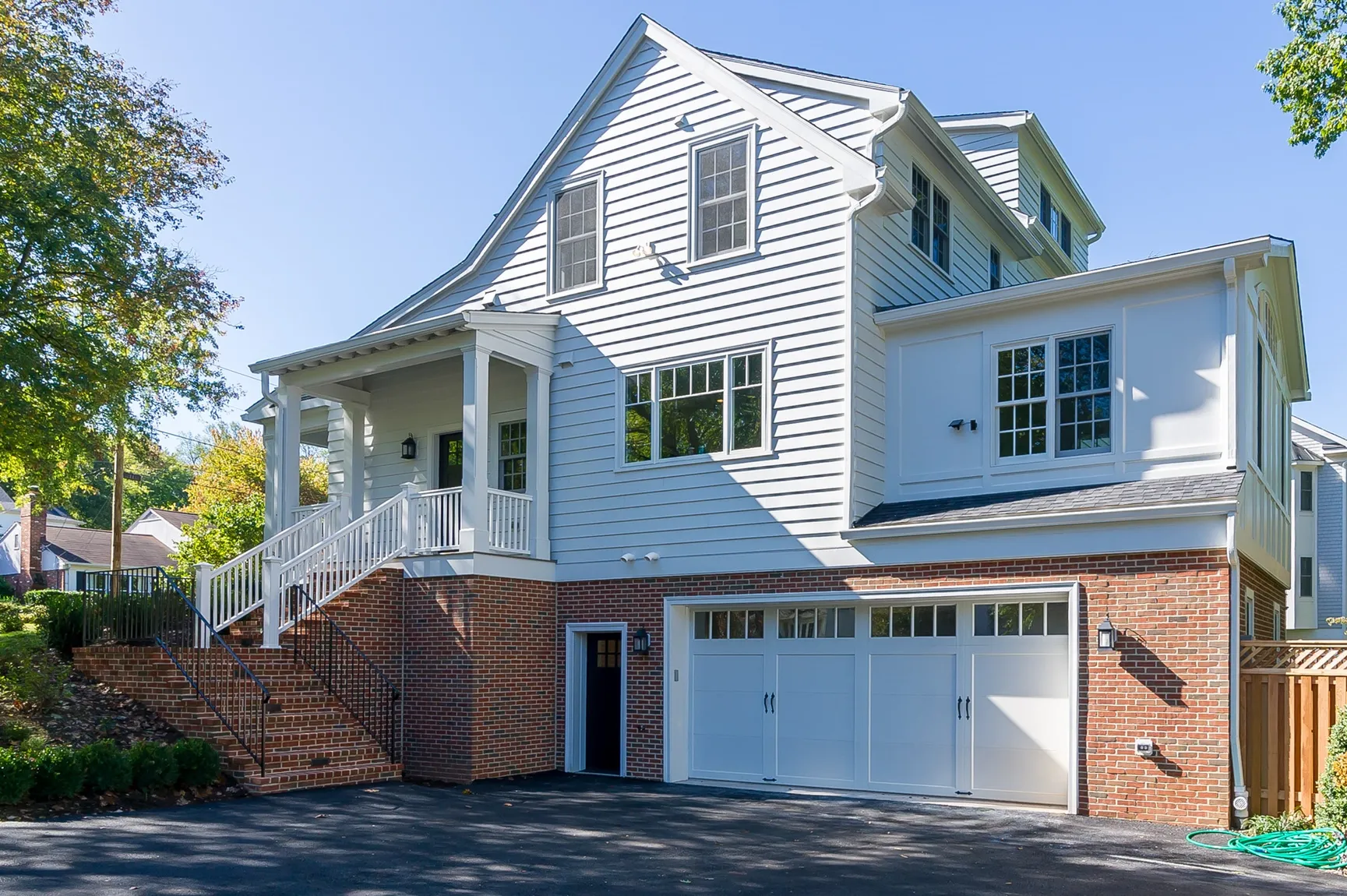
How you move from the old to the new is critical. Done clumsily, a transition can expose the seam between two eras — an architectural scar that undermines both the historic original and the new addition.
The Design PrincipleI often create distinct "hyphens" — small, specialized transitional spaces like a mudroom or a glassed-in breezeway — that physically and visually separate the historic block from the modern addition. This allows the new structure to have its own identity and modern amenities (like higher ceilings or larger expanses of glass) without fighting the historic character of the original rooms.
Writing the Next Chapter
When I design, my goal is continuity. We aren't just building square footage; we are writing the next chapter in the life of a home. And the best chapters flow seamlessly from the ones that came before.
A successful historic addition shouldn't announce itself — it should feel inevitable, as though the house always intended to grow exactly this way.